

Optical Connectivity Is Quietly Powering the Next Generation of High-Reliability Systems
Most people don’t think about optical connectors when they think about innovation in aerospace, telecom or other advanced industrial systems. But, they are quickly becoming one of the most important building blocks behind how modern systems communicate, process data and stay reliable even in the harshest environments.
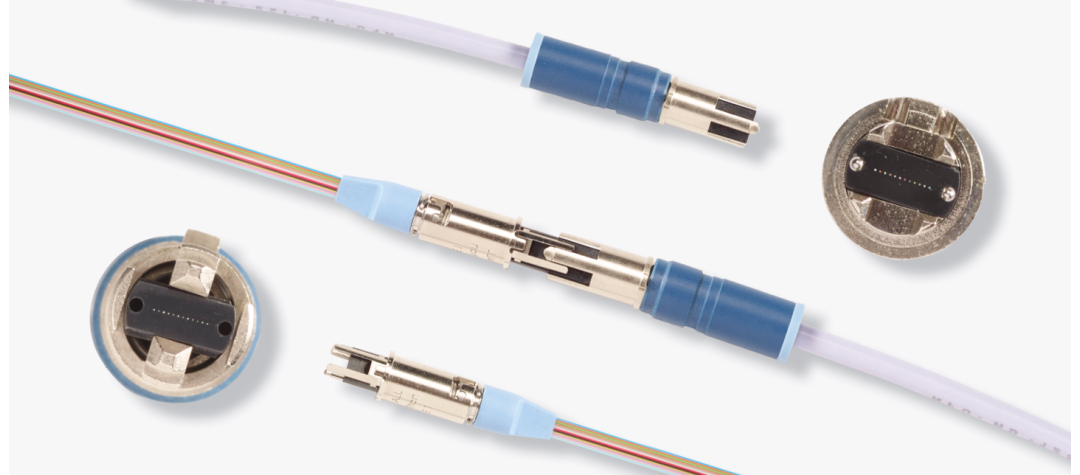
Radiall’s optical connector portfolio highlights that shift in the industry. It’s no longer just about moving data faster, it’s about making sure that data continues moving even when conditions are less than optimal, where failure isn’t an option.
Connectivity You Can Trust
In real world scenarios, connectivity is constantly tested by external factors such as vibration, temperature shifts, contamination and mechanical stress. Optical technology is stepping forward to address these issues in a serious way.
Radiall designs optical interconnect solutions with this reality in mind. Ruggedized connector systems, expanded beam technologies and others are all aimed at one goal: stable performance in environments where traditional connectivity struggles to survive.
This matters greatly in aerospace, defense and other industrial systems where maintenance is difficult or in some cases, impossible. The foundation those connectors stand on is reliability.
Optical Connectivity Starts with the Right Connector
Some systems still rely on physical contact connectors. These deliver extremely low loss and high precision, making them a strong fit for controlled environments.
Others are moving toward expanded beam technology. This approach is gaining momentum because it is far more forgiving in the field. Dust, vibration and slight misalignment have far less impact on performance. That makes it especially attractive for rugged or mission-critical applications.
Radiall’s approach reflects this balance. Instead of pushing a single standard, the portfolio supports different architectures depending on how and where the system is used.
Moving From Components to Complete Solutions
Another major trend is integration. Optical connectors are no longer being designed in isolation. They are increasingly part of full assemblies and harness solutions that combine optical, electrical, and mechanical engineering into one system.
This shift is important because it reduces complexity for system designers and improves overall reliability. Instead of managing multiple disconnected parts, engineers can work with more complete, application-ready solutions.
Radiall’s optical portfolio reflects this move toward integration and system-level thinking, helping customers reduce risk while improving performance.
Optical connectivity is no longer just a technical upgrade. It is becoming a strategic enabler for industries that depend on speed, precision, and reliability under pressure.
As systems continue to evolve, the demand is shifting toward solutions that do more than perform well in ideal conditions. They need to perform everywhere.
That is where optical interconnect technology is making its mark, and why it is becoming a core part of how the next generation of systems will be built.