

The Role of Cryogenic Microwave Components in Quantum Computing
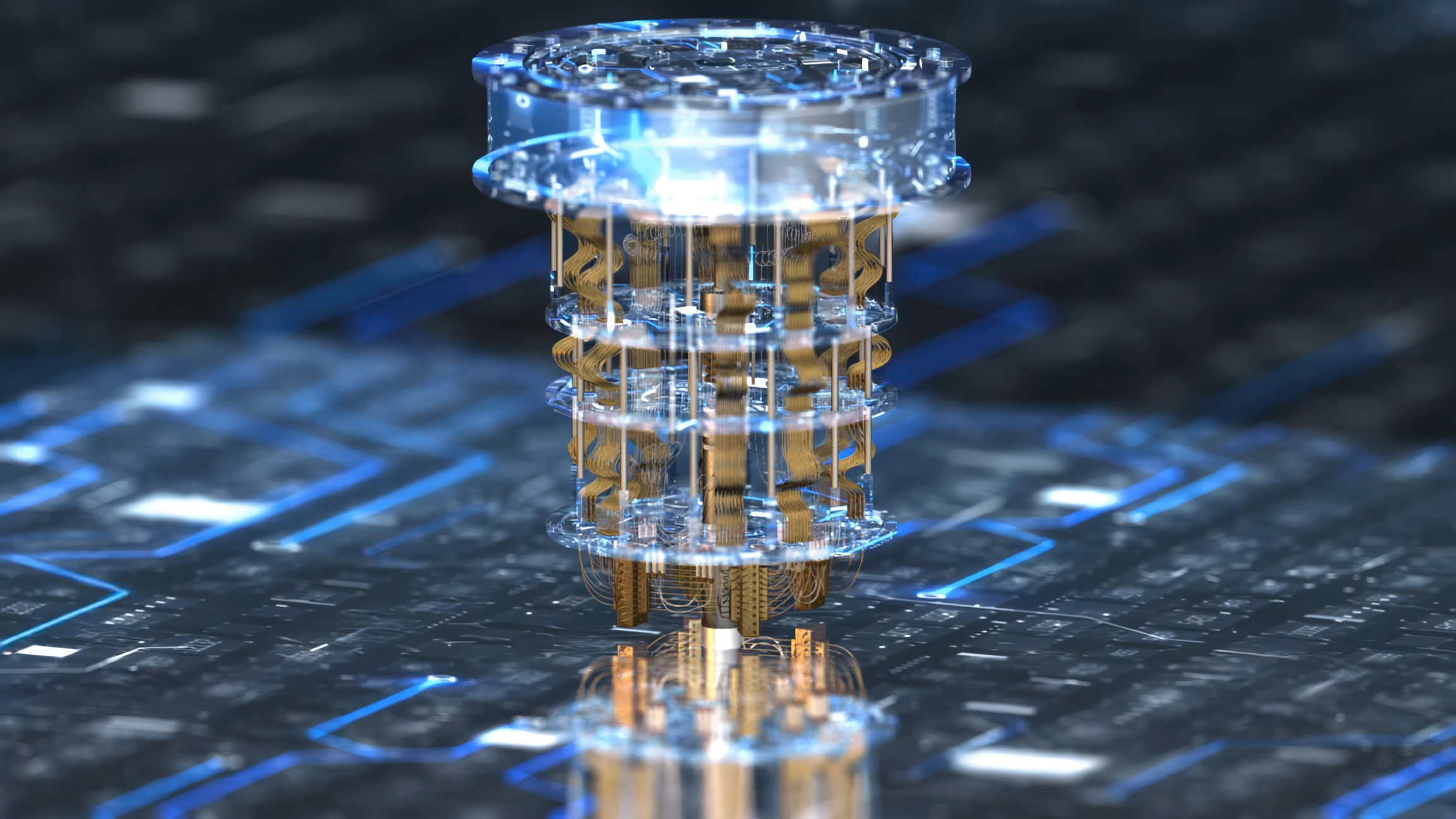
Quantum computers require an environment that is very different from conventional computing systems. Superconducting quantum processors operate at temperatures close to absolute zero, with the coldest stages of a dilution refrigerator reaching just a few millikelvin.
At these temperatures, heat becomes a serious concern. Even the RF signals used to control and read out qubits can introduce unwanted thermal energy into the system. That puts additional demands on the components carrying those signals through the cryostat.
The goal is not simply to get an RF signal from one point to another. Engineers also need to control how much heat travels along with it.
Managing Heat Along the RF Chain
An RF signal typically starts with electronics operating at room temperature and travels through several temperature stages before reaching the quantum processor. Each stage gets progressively colder, eventually reaching temperatures measured in millikelvin. Every component along that path has a role to play.
Attenuators can reduce signal power at specific temperature stages, helping dissipate heat before it reaches the coldest part of the refrigerator. Filters can block unwanted frequencies and radiation while allowing the signals needed by the processor to pass.
The placement and performance of these components matter. A poorly managed RF path can introduce excess heat or unwanted signals into an environment where the quantum processor is extremely sensitive to both.
Maintaining RF Performance at Cryogenic Temperatures
Keeping the system cold is only half the job. The RF signals still need to perform as expected.
Quantum processors depend on precise microwave signals for qubit control and readout. Loss, reflections and unwanted frequencies can all affect signal quality. At the same time, components have to maintain reliable electrical and mechanical performance as temperatures drop from room temperature to just a fraction of a degree above absolute zero.
That makes component selection particularly important. Materials behave differently at cryogenic temperatures, thermal contraction has to be considered and RF characteristics need to remain predictable across the operating range.
For this reason, cryogenic microwave components have to be designed with the entire RF chain in mind.
Where Attenuators and Filters Fit In
Cryogenic attenuators are an important part of that system. They reduce the power of RF signals at selected temperature stages while helping manage the thermal load moving toward the quantum processor.
Radiall's cryogenic attenuators are designed for operation down to 0.01 K, with configurations supporting attenuation values up to 20 dB and frequencies up to 18 GHz.
Filters address a different part of the problem. Unwanted electromagnetic energy can travel into the cryostat through RF lines, potentially adding noise or disrupting the carefully controlled environment around the processor. Cryogenic filters help remove unwanted frequencies while allowing the required signals through.
Used together with cryogenic cables, connectors and other RF components, they form an important part of the infrastructure supporting the quantum processor.
Building an RF System That Can Scale
As quantum computers become larger, the RF infrastructure becomes more demanding. More qubits generally mean more RF channels, which means more cables and components inside an already space-constrained cryogenic environment.
That creates several engineering considerations at once. Components need to perform at extremely low temperatures, take up as little space as possible and contribute minimal thermal load. They also need to work together as part of a larger RF system.
This is where factors such as thermal conductivity, RF losses, material selection, magnetic properties and mechanical design all come into play. The individual component matters, but so does the way the complete RF chain is designed.
RF signals have to travel into and out of one of the coldest engineered environments on Earth. Managing those signals means managing both their electrical performance and the heat they can introduce along the way.
Cryogenic attenuators, filters and other microwave components are part of that equation. As quantum systems continue to develop and scale, maintaining clean RF signals while keeping thermal loads under control will remain an important part of the engineering effort.